
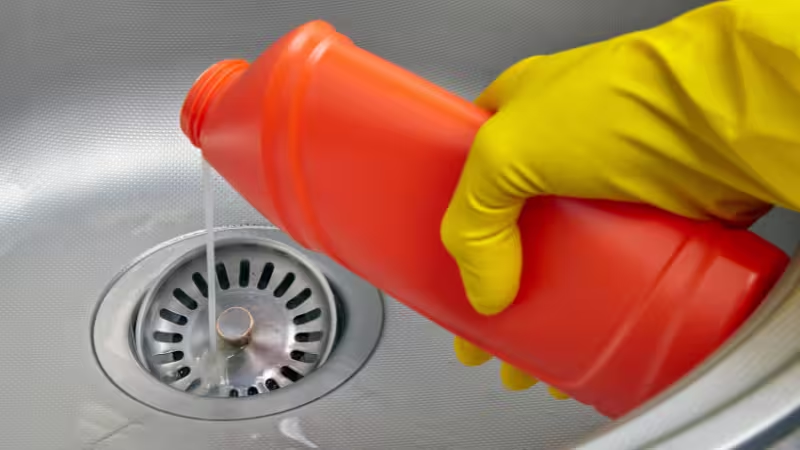
Blocked drains are one of the most common plumbing problems in homes across South Africa. When water starts pooling in the sink or shower, many homeowners reach for a bottle of chemical drain cleaner as a quick fix. These products promise fast results with minimal effort. Pour, wait and rinse — the blockage should disappear.
But are chemical drain cleaners safe?
The short answer is that while they may offer temporary relief, they come with significant risks to your plumbing system, your health and the environment. Understanding how these products work and the potential damage they can cause is essential before tipping that bottle down your drain.
Table of Contents
What Are Chemical Drain Cleaners?
Chemical drain cleaners are commercially manufactured products designed to dissolve or break down blockages in pipes. They are widely available in supermarkets and hardware stores and are marketed as an easy alternative to calling a plumber.
How Chemical Drain Cleaners Work
Most chemical drain cleaners fall into three main categories: caustic, oxidising and acidic cleaners.
Caustic cleaners typically contain substances such as sodium hydroxide (lye) or potassium hydroxide. These chemicals generate heat when they react with water and organic material. The heat helps to break down grease, hair and soap scum, turning them into a sludge that can be flushed away.
Oxidising cleaners often contain bleach, nitrates or peroxides. They release oxygen and heat, which break apart organic matter inside the pipe.
Acidic drain cleaners are usually the most aggressive. They may contain sulphuric or hydrochloric acid and are designed to dissolve tough clogs rapidly. These products are generally stronger and can be particularly hazardous if misused.
All of these cleaners rely on chemical reactions that create heat and corrosive conditions inside your plumbing system.
The Impact on Your Pipes
One of the biggest concerns surrounding the question, “Are chemical drain cleaners safe?” relates to their effect on plumbing infrastructure.
Corrosion and Pipe Damage
Chemical drain cleaners do not distinguish between a blockage and the material of your pipes. The same heat and corrosive reactions that break down clogs can also attack the inner walls of your plumbing.
Older metal pipes are especially vulnerable. Repeated use of caustic or acidic cleaners can cause corrosion, thinning and weakening of the pipe walls. Over time, this can lead to leaks, cracks or complete pipe failure.
Even modern PVC pipes are not immune. Excessive heat generated by chemical reactions can soften or warp plastic pipes. If the product sits in the pipe without fully clearing the blockage, the damage can become worse.
The risk increases when the drain is fully blocked. Instead of flowing through the system, the chemical solution can sit stagnant in one section of pipe, intensifying the corrosive effect.
Damage to Fixtures and Septic Systems
Chemical cleaners can also affect fixtures such as sinks, baths and toilets. Splashes may discolour or damage surfaces. If your home uses a septic system, these chemicals can disrupt the natural bacteria that break down waste. This can reduce the efficiency of the system and lead to costly maintenance issues.
Over time, repeated chemical exposure weakens your plumbing network, making it more prone to future blockages and structural problems.
Health and Safety Risks
Another major factor in determining whether chemical drain cleaners are safe is the risk they pose to people in the household.
Skin, Eye and Respiratory Hazards
Chemical drain cleaners are highly corrosive. Direct contact with skin can cause burns, irritation or severe tissue damage. If splashed into the eyes, they can result in serious injury.
The fumes released during use can also be harmful. In enclosed spaces such as bathrooms, inhaling these vapours may irritate the respiratory system and trigger breathing difficulties. Individuals with asthma or other respiratory conditions are particularly at risk.
Accidental ingestion is extremely dangerous, especially for children and pets. Even small amounts can cause internal burns and life-threatening complications.
Dangerous Chemical Reactions
Mixing different drain cleaners, or combining them with other household cleaning products, can create hazardous reactions. For example, combining certain chemicals may release toxic gases. These reactions can occur if a second product is poured into a drain that already contains another cleaner.
Even professional plumbers face additional risks when attending to drains previously treated with chemicals. If a plumber uses mechanical equipment or attempts to clear the blockage manually, they may be exposed to corrosive substances still present in the pipe.
Environmental Concerns
When considering whether chemical drain cleaners are safe, it is important to look beyond the home.
After travelling through your plumbing, these chemicals enter municipal sewer systems or septic tanks. From there, they may eventually reach wastewater treatment facilities and natural water sources.
The harsh compounds found in many drain cleaners can harm aquatic life and disrupt ecosystems. They may also contribute to water pollution if not fully neutralised during treatment.
Choosing to use these products regularly increases the chemical load entering the environment.
Why Chemical Drain Cleaners Often Fail
Despite their aggressive formulation, chemical drain cleaners do not always solve the problem.
Temporary Fixes for Deeper Issues
Many blockages are caused by deeper issues such as tree root intrusion, collapsed pipes or heavy build-up over time. Chemical products may only clear a small opening through the clog, allowing water to pass temporarily while the underlying issue remains.
In some cases, the product cannot penetrate the blockage effectively. If the clog consists of solid objects or dense debris, the chemical reaction may be limited to the surface.
This can create a false sense of resolution. The drain may appear to function normally for a short period before blocking again.
Repeated applications in an attempt to fix a stubborn clog only increase the risk of pipe damage and personal injury.
Safer Alternatives to Chemical Drain Cleaners
If chemical drain cleaners pose such risks, what are the safer options?
Mechanical Methods
A plunger is often the first and safest tool to try. It creates pressure that can dislodge minor clogs without introducing harmful substances into the pipes.
Drain snakes or augers are another effective solution. These tools physically break apart or retrieve blockages such as hair and debris.
For more serious issues, professional plumbers use specialised equipment like motorised drain machines and high-pressure water jetting systems. These methods clear pipes thoroughly without relying on corrosive chemicals.
Natural Cleaning Methods
For minor build-up, a combination of hot water, bicarbonate of soda and vinegar can help loosen residue inside the drain. While not suitable for severe blockages, this approach is far less aggressive than chemical cleaners.
Regular maintenance with hot water can also help prevent grease and soap from solidifying in kitchen and bathroom drains.
Professional Inspection and Maintenance
Recurring clogs are often a sign of a larger plumbing problem. A professional plumber can inspect your system using camera equipment to identify the root cause.
Addressing structural issues early can prevent repeated blockages and reduce the temptation to rely on chemical solutions.
When Should You Call a Plumber?
If water is backing up, multiple drains are blocked or you notice foul odours coming from your pipes, professional assistance is advisable.
Attempting to resolve significant blockages with chemical cleaners can worsen the situation. A plumber can assess the problem accurately and use appropriate tools to restore proper flow without causing damage.
Calling a professional may seem like a larger upfront expense, but it often prevents costly repairs caused by corroded or burst pipes later on.
Are Chemical Drain Cleaners Safe for Regular Use?
Based on their potential to damage pipes, harm health and impact the environment, chemical drain cleaners are not a safe long-term solution for routine maintenance.
They may offer short-term relief in minor cases, but repeated use increases the likelihood of plumbing deterioration and safety hazards. Homeowners who rely on these products frequently often face more serious plumbing issues down the line.
The better approach is prevention through proper waste disposal, regular maintenance and prompt professional attention when needed.
Final Thoughts on Are Chemical Drain Cleaners Safe
So, are chemical drain cleaners safe? While they are widely marketed as convenient and powerful, the risks they pose to your plumbing system, your household and the environment cannot be ignored.
Understanding how these products work reveals why they can be so damaging. The same corrosive power that breaks down a clog can weaken pipes, create health hazards and contaminate water systems.
Choosing safer alternatives and seeking professional advice when problems arise will protect your home’s plumbing and provide greater peace of mind in the long run.


