
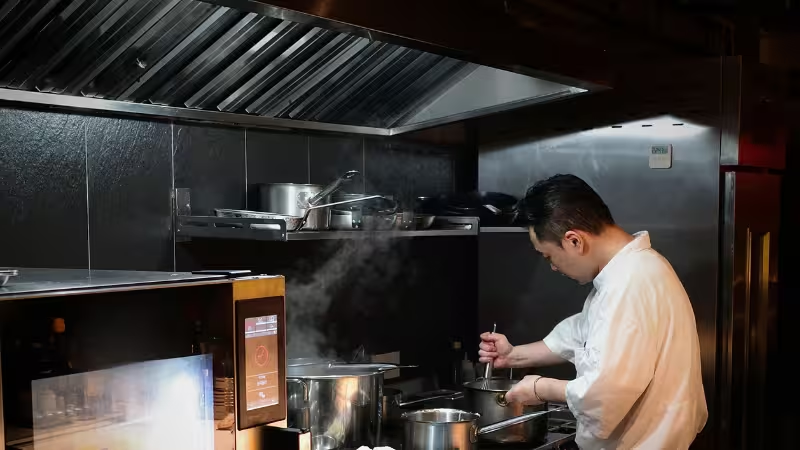
Every commercial kitchen relies on its extraction canopy to keep the working environment safe, comfortable and compliant. Positioned above cooking equipment, the canopy captures grease-laden vapour, smoke, steam, heat and odours before they can settle on surfaces or circulate through the building. At the heart of this system sit the canopy filters, which trap airborne grease before it travels into the ductwork. When these filters become clogged, the entire extraction system suffers, and the consequences range from unpleasant working conditions to devastating kitchen fires. Regular canopy filter cleaning is not a luxury or an optional extra. It is a fundamental part of running a responsible food service operation.
Table of Contents
What Do Canopy Filters Actually Do?
Canopy filters form the first line of defence in a kitchen extraction system. As hot air rises from fryers, grills, stoves and ovens, it carries microscopic droplets of fat and oil. The filters, usually baffle or mesh designs fitted into the underside of the canopy, are engineered to capture this grease before the air moves into the connecting ducts and out of the building.
Over time, the captured grease accumulates on the filter surfaces. A thin film quickly becomes a thick, sticky layer that restricts airflow and forces the extraction fan to work harder. Once the filters are saturated, grease begins to bypass them entirely, coating the internal ductwork, fan blades and motor. At this point, the problem has moved from a simple maintenance task to a serious safety hazard hiding out of sight above the kitchen.
The Fire Risk of Neglected Canopy Filters
Grease is highly flammable, and a filter loaded with fat sits directly above open flames, hot plates and fryers. A single flare-up from a pan can ignite the accumulated grease, and once alight, a grease fire spreads rapidly through the canopy and into the ducting, where it becomes extremely difficult to extinguish. Research into commercial kitchen fires consistently shows that a significant proportion originate in neglected extraction systems.
The damage from such a fire extends far beyond the kitchen itself. Ductwork often runs through ceilings and between floors, meaning a duct fire can spread to parts of a building that staff cannot see or reach. For a restaurant, the result can be weeks or months of closure, loss of income, damage to reputation and, in the worst cases, injury or loss of life. Routine canopy filter cleaning removes the fuel that these fires depend on, making it one of the most effective fire prevention measures available to any commercial kitchen.
Compliance, Certificates and Insurance
South African food businesses operate under strict health and safety regulations, and the condition of the extraction system falls squarely within these requirements. Health inspectors pay close attention to grease build-up in canopies and filters, and a poorly maintained system can contribute to failed inspections, fines or even the closure of a facility.
Insurance is another critical consideration. Many insurers expect commercial kitchens to demonstrate that their extraction systems are professionally maintained at appropriate intervals. If a fire breaks out and the investigation reveals heavily soiled filters and ducting with no record of cleaning, an insurer may repudiate the claim, leaving the business to carry the full cost of the damage. This is why reputable canopy cleaning providers issue a certificate on completion of each service, recording the date, the procedure followed and the next due date. These documents provide the evidence that inspectors and insurers require, and they belong in every kitchen’s maintenance file.
Air Quality, Hygiene and Staff Wellbeing
A commercial kitchen is a demanding place to work, and the extraction system plays a major role in keeping conditions bearable. When canopy filters are clean, the system removes smoke, steam, heat and cooking odours efficiently, keeping the air fresh and temperatures manageable. When the filters are clogged, smoke lingers, odours drift into dining areas, and the kitchen becomes hotter and more humid.
The hygiene implications are just as serious. Grease that escapes saturated filters settles on walls, ceilings, equipment and food preparation surfaces, creating an environment where bacteria can thrive. Sticky surfaces attract dust and pests, and dripping grease can contaminate food below. Prolonged exposure to grease-laden air can also contribute to respiratory discomfort among kitchen staff. Clean filters protect not only the building but the people who work in it every day.
The Hidden Costs of Dirty Filters
Beyond safety and hygiene, neglected canopy filters quietly drain money from a business. Restricted airflow forces extraction fans to run harder and longer, pushing up electricity consumption. The added strain wears out motors, bearings and fan components prematurely, leading to breakdowns and expensive repairs or replacements. Grease that migrates into the ductwork requires far more intensive and costly cleaning than filters alone, and a system that fails during a busy service can bring the entire kitchen to a standstill.
Regular canopy filter cleaning reverses this equation. A well-maintained system runs efficiently, uses less energy, lasts longer and avoids the emergency call-outs that disrupt trade. Viewed over the life of the equipment, professional cleaning is one of the most cost-effective investments a food business can make.
How Often Should Canopy Filters Be Cleaned?
The right cleaning frequency depends on how hard the kitchen works. High-volume operations, such as fast food outlets, hotel kitchens and restaurants that rely heavily on fryers, grills and woks, generate large amounts of airborne grease and typically require professional cleaning on a monthly or quarterly basis. Kitchens with moderate cooking volumes may be adequately served by a clean every six months, while low-volume operations can often maintain safety with an annual professional service.
Between professional visits, daily and weekly in-house checks make a real difference. Staff should inspect filters and drip trays for visible grease accumulation, wipe down the canopy exterior and report any signs of trouble, such as smoke hanging in the air, grease dripping from the canopy edges or filters that appear dark and saturated. These simple habits catch problems early and help determine whether the professional cleaning schedule needs to be adjusted.
Why Canopy Filter Cleaning Is a Job for Professionals
Washing filters in a sink with warm soapy water removes surface grease, but it cannot match the results of a professional deep clean, and it does nothing for the canopy housing, ductwork or fan assembly. Professional canopy cleaning involves working at height, around electrical components and often in confined spaces, using specialised degreasing agents and equipment designed for industrial grease removal.
What a Professional Service Includes
A thorough professional service covers the complete extraction canopy, not just the filters. The filters are removed, deep cleaned and assessed, with replacements recommended where they are damaged or beyond restoration. Grease is stripped from the interior and exterior of the canopy housing, and from the vertical and horizontal connecting ducts wherever access allows. Grease drip trays and gutters are emptied and degreased, and the system is inspected to confirm that it is operating as intended.
Documentation and Peace of Mind
On completion, a professional provider issues a cleaning certificate detailing the service date, the work carried out and the recommended date for the next clean. This documentation supports health inspections, satisfies insurance requirements and gives owners and managers confidence that a critical safety system has been properly maintained.
Protect Your Kitchen with Drain Blasters
Canopy filter cleaning sits alongside grease trap maintenance and drainage system care as part of the complete grease management cycle in any commercial kitchen. Drain Blasters’ dedicated Kitchen Canopy and Canopy Filter Cleaning Division specialises in the cleaning of commercial and industrial extraction canopies across the greater Cape Town area and the Western Cape. Our experienced teams deep clean filters, remove grease from canopies and accessible ducting, and issue a cleaning certificate on completion of every service. Contact Drain Blasters today to schedule your canopy filter cleaning and keep your kitchen safe, compliant and running at its best.


