
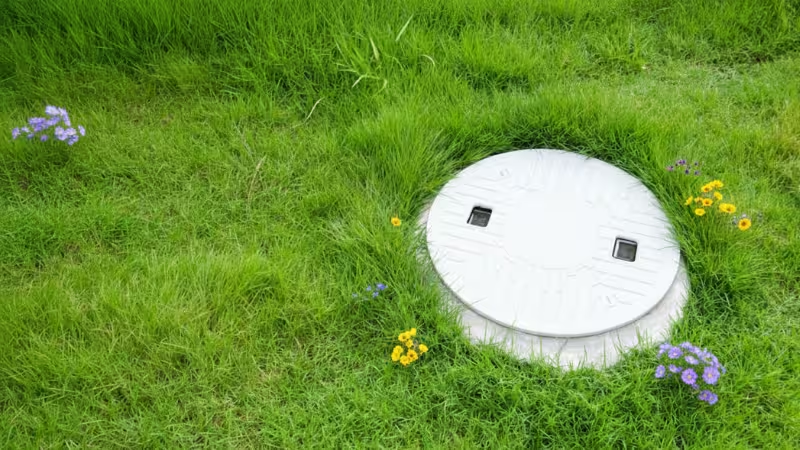
Septic systems play a vital role in wastewater management for many South African homes, particularly in rural and peri-urban areas where municipal sewer connections are not available. While septic tanks are already a decentralised solution, they can still place strain on soil, groundwater, and surrounding ecosystems if they are poorly designed, incorrectly maintained, or exposed to harmful household chemicals. Understanding how to make your septic tank eco-friendly allows homeowners to protect the environment, extend the life of their system, and reduce long-term costs.
An eco-friendly septic system focuses on reducing pollution, improving natural treatment processes, and limiting the introduction of toxic substances into the tank and surrounding soil. By combining smart design choices, responsible household habits, and proper maintenance, septic systems can work in harmony with the environment rather than against it.
Table of Contents
Understanding How Septic Systems Affect the Environment
A septic system treats wastewater by separating solids from liquids and allowing effluent to filter through soil, where natural bacteria further break down contaminants. When systems are overloaded, poorly ventilated, or exposed to harsh chemicals, untreated wastewater can seep into groundwater or nearby water sources. This contamination may introduce harmful bacteria, excess nutrients, and chemical residues into the environment.
Soil quality, water table depth, and system design all influence how effectively wastewater is treated. Eco-friendly septic practices aim to support natural biological processes instead of disrupting them, ensuring that wastewater is safely treated before returning to the environment.
Designing an Eco-Friendly Septic System
Choosing Advanced Treatment Solutions
Modern septic technology has evolved beyond traditional soakaways and basic drainage fields. Advanced treatment options provide improved wastewater purification, making them better suited to environmentally sensitive areas or properties with limited space.
Aeration tiles and infiltration chambers allow oxygen to circulate through the system, encouraging aerobic bacteria that break down waste more efficiently. These systems reduce odours, speed up treatment, and produce cleaner effluent before it enters the soil. Infiltration chambers also distribute wastewater evenly across the drainage area, preventing oversaturation and soil compaction.
Biological treatment systems use natural bacterial cultures to treat wastewater at a higher level than conventional septic tanks. These systems often produce effluent clean enough for safe irrigation, reducing freshwater demand while protecting groundwater.
Protecting Soil and Groundwater
An eco-friendly septic system must be matched to the property’s soil conditions and water table depth. Poorly drained clay soils or areas with high groundwater levels require specialised designs to prevent contamination. Proper sizing is equally important, as undersized systems can overflow and fail prematurely.
Maintaining healthy soil around the drainage area allows natural filtration to occur. Avoiding heavy vehicles, paving, or construction over the soakaway helps preserve soil structure and oxygen flow, both of which are essential for effective wastewater treatment.
Reducing Water Usage in the Home
Water conservation is one of the most effective ways to reduce strain on a septic system. Excessive water use can flush solids into the drainage field, leading to blockages and system failure. Eco-friendly septic care starts with mindful water habits inside the home.
Low-flow toilets, water-efficient taps, and modern washing machines reduce daily water output without sacrificing performance. Spreading water use throughout the day instead of concentrating it into short periods also allows the system to process wastewater more effectively.
Repairing leaks promptly is another essential step. Even a slow dripping tap can introduce unnecessary volumes of water into the septic tank over time, increasing the risk of overflow and reducing treatment efficiency.
Using Septic-Safe Household Products
Cleaning Products and Chemicals
Many conventional cleaning products contain bleach, ammonia, antibacterial agents, and harsh solvents that disrupt the bacterial balance inside a septic tank. These chemicals kill the beneficial microorganisms responsible for breaking down waste, leading to odours, sludge build-up, and system malfunction.
Eco-friendly alternatives rely on biodegradable, phosphate-free ingredients that clean effectively without harming septic bacteria. Products labelled as septic-safe are formulated to break down naturally and support biological treatment processes.
Natural cleaning solutions using vinegar, bicarbonate of soda, and plant-based soaps can also be used safely in moderation. Reducing chemical input not only protects the septic system but also limits the release of toxins into soil and water.
Personal Care and Household Items
Items washed down drains often end up in septic tanks, making product choices important beyond cleaning supplies. Antibacterial soaps, harsh shampoos, and chemically laden detergents can interfere with natural treatment processes.
Toilet paper designed for septic systems breaks down more easily, reducing the risk of blockages. Non-biodegradable items such as wet wipes, sanitary products, and cotton buds should never be flushed, even if labelled as flushable, as they accumulate in the tank and require more frequent pumping.
Eco-Friendly Septic Tank Cleaning and Maintenance
Responsible Pumping and Servicing
Regular septic tank pumping prevents excessive sludge accumulation, which can block drainage fields and cause wastewater backups. Eco-friendly maintenance focuses on timing and necessity rather than excessive intervention. Pumping should be done based on household size and tank capacity, not on a fixed annual schedule unless required.
Professional servicing should inspect baffles, filters, and aeration components to ensure the system operates efficiently. Early detection of minor issues prevents environmental damage and costly repairs.
Avoiding Harmful Additives
Some products marketed as septic tank treatments promise rapid waste breakdown but rely on aggressive chemicals that damage long-term system health. Eco-friendly systems depend on naturally occurring bacteria rather than artificial additives.
Healthy septic tanks generally do not require additives if household practices support bacterial balance. Introducing enzymes or bacteria should only be done when recommended by a professional and suited to the specific system type.
Landscaping with the Environment in Mind
The area surrounding a septic system plays an important role in environmental protection. Planting grass or shallow-rooted vegetation over drainage fields helps absorb excess moisture and prevent soil erosion. Deep-rooted trees and shrubs should be kept at a safe distance to avoid root intrusion into pipes and chambers.
Rainwater runoff should be directed away from the septic area to prevent flooding and soil saturation. Eco-friendly landscaping supports natural water flow and maintains optimal conditions for wastewater filtration.
Preventing Nutrient Pollution
Excess nutrients such as nitrogen and phosphorus can leach into groundwater if septic systems are overloaded or poorly maintained. These nutrients contribute to algae growth in rivers and dams, disrupting aquatic ecosystems.
Advanced treatment systems and infiltration technologies reduce nutrient levels before effluent enters the soil. Limiting the use of chemical fertilisers near the septic area further reduces the risk of nutrient pollution.
Long-Term Benefits of an Eco-Friendly Septic System
Making your septic tank eco-friendly offers long-term advantages for homeowners and the environment. Systems that rely on natural treatment processes experience fewer breakdowns, require less frequent pumping, and last longer than neglected systems.
Environmental benefits include cleaner groundwater, healthier soil, and reduced chemical pollution. For South African households reliant on boreholes or nearby water sources, these benefits directly impact water quality and public health.
Eco-friendly septic practices also align with broader sustainability goals, reducing water waste and promoting responsible land use. With proper care and informed choices, septic systems can function efficiently while minimising their environmental footprint.
Building Sustainable Habits Around Septic Care
Eco-friendly septic care is not a once-off action but an ongoing commitment. Household habits, product choices, and maintenance decisions all influence system performance. Educating everyone in the household about what can and cannot go down the drain helps prevent accidental damage and environmental harm.
Working with experienced septic professionals ensures systems are correctly designed, installed, and maintained for local conditions. By combining technology, awareness, and responsible behaviour, homeowners can ensure their septic systems remain efficient, safe, and environmentally sound for many years.


