
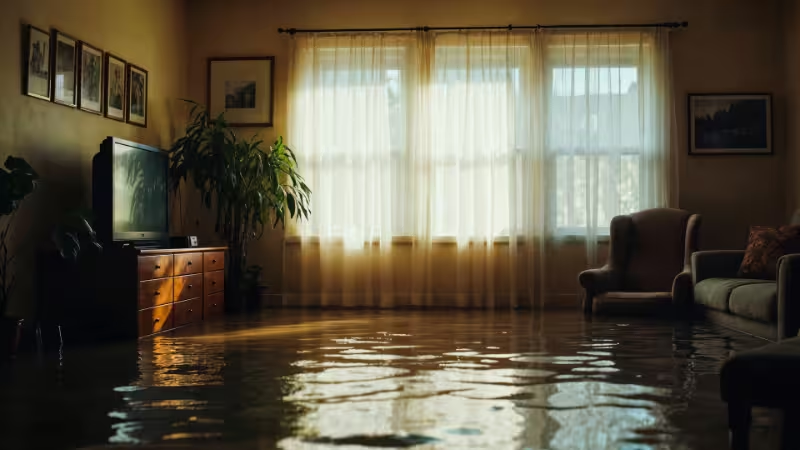
Flooding can turn a familiar, comfortable space into a scene of damage and uncertainty within hours. Whether caused by heavy rainfall, burst pipes, storm surges or overflowing rivers, the aftermath of a flooded home requires calm decision-making and fast action. Knowing what to do after your home floods can reduce health risks, limit further damage, and speed up recovery. This guide walks through the essential steps of what to do after your home floods, from the first moments after the water recedes to the longer process of restoring your home and protecting it against future floods.
Table of Contents
Prioritising Safety Before Re-Entering Your Home
Assessing Immediate Risks
Before stepping inside a flooded property, personal safety must come first. Floodwater often hides hazards such as sharp debris, open drains, displaced wildlife, and unstable flooring. Structural damage is not always obvious at a glance, and weakened foundations or walls can collapse without warning. If authorities have issued warnings or restricted access, these instructions should be followed strictly.
Electricity and gas pose serious dangers after a flood. Water can damage wiring, appliances, and gas lines, increasing the risk of electrocution, fire, or explosions. If the main power supply was not switched off before flooding occurred, it should remain off until a qualified electrician confirms the system is safe. Gas supplies should also be checked by a professional before use.
Using Protective Clothing
Floodwater is rarely clean. It often contains sewage, chemicals, and bacteria that can cause illness or infection. Anyone entering a flooded home should wear protective clothing such as waterproof boots, gloves, long sleeves, and a mask if mould or strong odours are present. Open cuts or wounds should be covered to prevent contamination.
Documenting Damage for Insurance and Assistance
Recording the Extent of the Flooding
One of the most important early steps after your home floods is documenting the damage thoroughly. Photographs and videos should capture waterlines on walls, damaged furniture, soaked carpets, ruined appliances, and any visible structural issues. These records are critical for insurance claims, disaster relief applications, and contractor assessments.
Items should not be thrown away before they are documented, unless they pose a serious health risk. Even heavily damaged belongings may need to be inspected or photographed to support a claim.
Contacting Insurers and Support Services
Insurance providers should be notified as soon as possible. Policies differ in what they cover, especially when it comes to flood damage versus water damage from internal sources. Clear communication and detailed records help prevent delays in assessments and repairs.
In many cases, local authorities or disaster relief organisations may offer temporary housing, financial support, or cleanup assistance. Reaching out early can ease the immediate burden on households affected by flooding.
Preventing Further Damage Inside the Home
Ventilating and Drying the Property
Once it is safe to do so, improving airflow inside the home becomes a priority. Opening windows and doors helps moisture escape and slows the growth of mould. Fans and dehumidifiers can be used if electricity has been declared safe, but petrol-powered generators should never be run indoors due to carbon monoxide risks.
Wet materials trap moisture and deteriorate quickly. Carpets, rugs, mattresses, and upholstered furniture that remain soaked for too long may become impossible to salvage. Removing these items early can reduce odours and contamination.
Removing Standing Water and Mud
If floodwater has not fully drained away, it needs to be removed carefully. Pumping out water too quickly can cause pressure imbalances around foundations, leading to cracks or collapse, particularly in severe floods. Water should be removed gradually, especially from basements or lower-lying areas.
Mud and silt left behind by floods can harden as it dries and often contains contaminants. Shovelling out debris before it dries makes cleaning easier and reduces long-term damage to floors and walls.
Cleaning and Disinfecting After a Flood
Washing Hard Surfaces Thoroughly
All surfaces that came into contact with floodwater require thorough cleaning. Walls, floors, counters, and fixtures should be washed with hot water and suitable cleaning products to remove dirt and bacteria. Disinfectants help reduce the risk of illness, especially in kitchens and bathrooms.
Porous materials such as drywall, insulation, and particle board often absorb contaminated water and may need to be removed entirely. These materials are difficult to clean properly and can become breeding grounds for mould.
Handling Food and Water Safely
Any food that came into contact with floodwater should be discarded, including sealed packages and tins, as contamination is difficult to detect. Fridges and freezers that lost power during flooding may no longer keep food at safe temperatures and need to be cleaned before reuse.
Tap water safety depends on local advisories. If there is any doubt, water should be boiled or treated before drinking, cooking, or brushing teeth.
Managing Mould and Air Quality
Identifying Early Signs of Mould Growth
Mould can begin growing within 24 to 48 hours of a flood, especially in warm and humid conditions. It often appears as black, green, or white patches on walls, ceilings, and furnishings, accompanied by a musty smell. Exposure to mould can trigger respiratory problems, allergies, and other health issues.
Drying the home thoroughly is the most effective way to prevent mould. Persistent dampness needs to be addressed quickly, even if visible mould has not yet appeared.
Knowing When to Call Professionals
Small areas of mould can sometimes be cleaned safely by homeowners using protective gear. Larger infestations, or mould hidden behind walls and under floors, require professional remediation. Specialists have the equipment and training to remove mould safely without spreading spores throughout the home.
Assessing Structural and Electrical Damage
Checking the Building’s Integrity
Flooding can compromise foundations, flooring, and load-bearing walls. Cracks, warped surfaces, and doors that no longer close properly may indicate structural movement. These signs should be assessed by qualified builders or engineers before repairs begin.
Electrical systems exposed to water should never be reused without inspection. Even if lights or sockets appear to work, hidden corrosion can cause future failures or fires.
Repairing and Replacing Damaged Systems
Heating systems, air conditioners, and major appliances often require professional inspection after a flood. Some may be repairable, while others need replacement. Attempting to restore damaged systems without proper checks can be dangerous and costly in the long run.
Supporting Emotional Recovery After Flooding
Recognising the Emotional Impact
The effects of a flooded home extend beyond physical damage. Stress, anxiety, and feelings of loss are common, particularly when personal belongings or family homes are affected. Children and older adults may struggle more visibly with the disruption and uncertainty.
Allowing time to process these emotions and seeking support from family, friends, or professionals can make recovery more manageable.
Accessing Community and Professional Support
Community organisations, counselling services, and disaster support programmes can provide emotional and practical assistance. Reaching out for help is a practical step, not a sign of weakness, during recovery after a flood.
Reducing the Risk of Future Flood Damage
Making the Home More Flood-Resilient
Once repairs are underway, it is worth considering changes that reduce future risk. Raising electrical sockets, using water-resistant building materials, and improving drainage around the property can limit damage in future floods.
Sealing foundations, installing backflow valves, and maintaining gutters and stormwater systems also help prevent water from entering the home during heavy rainfall.
Creating a Flood Preparedness Plan
Understanding what to do after your home floods also means being better prepared next time. Keeping important documents in waterproof containers, knowing how to shut off utilities, and having an emergency plan in place can reduce panic and damage during future events.
Flooding can be devastating, but informed action makes recovery safer and more effective. By focusing on safety, documentation, thorough cleaning, and long-term prevention, homeowners can regain control and rebuild with confidence.


