
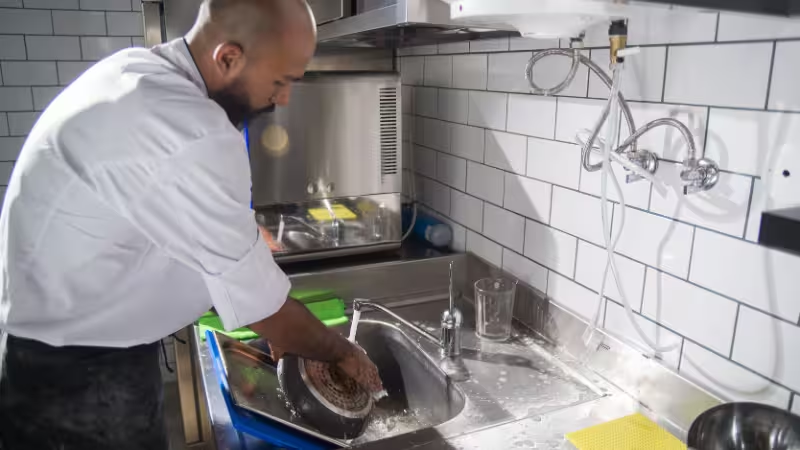
A grease trap is one of the hardest-working components in any commercial kitchen, yet it is often the most overlooked. Positioned between your kitchen fixtures and the municipal sewer line, it intercepts fats, oils and grease (FOG) before they can enter the wastewater system and cause blockages further down the line. When it functions properly, you barely notice it. When it fails, the consequences ripple through your entire operation, from unpleasant smells and standing water to health code violations and costly emergency repairs.
The good news is that a struggling grease trap rarely fails without warning. It sends signals, sometimes subtle and sometimes impossible to ignore, long before a full-scale crisis develops. Learning to recognise these signs early allows you to schedule maintenance on your terms rather than scrambling to respond to a flooded kitchen during a busy dinner service. Below, we unpack the most common indicators that your grease trap needs professional attention, along with the risks of ignoring them.
Table of Contents
Foul Odours Around Drains and Work Areas
One of the earliest and most noticeable signs of a grease trap problem is a persistent bad smell. As fats, oils and food waste accumulate inside the trap, they begin to decompose. The microorganisms breaking down this organic sludge release sulphuric and hydrogen gases, producing that unmistakable rotten egg odour that no amount of surface cleaning or air freshener can mask.
A properly functioning system keeps these gases contained. When smells start drifting from your drains into the kitchen, storeroom or even outdoor areas, it usually means the trap has filled beyond its working capacity or that a seal or P-trap has failed. As a general guideline, a grease trap should never be more than a quarter full. Once accumulation exceeds that threshold, odour intensity tends to climb rapidly.
When Smells Reach Your Customers
The problem becomes far more serious when odours travel beyond the kitchen and into dining areas, waiting rooms or entrances. Customers form impressions quickly, and a foul-smelling establishment can undermine even excellent food and service. Lingering smells can also draw complaints from neighbouring businesses and attract the attention of health inspectors. Beyond reputation, prolonged exposure to decomposing organic gases can cause respiratory discomfort for staff, making this a workplace health matter as much as a housekeeping one.
Slow Drainage and Recurring Clogs
Slow-draining sinks are a classic red flag. As grease solidifies inside the trap and connecting pipes, it narrows the passage available for water, and drainage gradually deteriorates. What starts as a minor inconvenience, with water taking slightly longer to empty, can escalate into sinks that only clear with a plunger and floor drains that pool during service.
Sluggish drainage disrupts the rhythm of a commercial kitchen. Dishwashing slows down, food preparation bottlenecks, and staff waste time working around unusable sinks. If your team finds themselves repeatedly clearing the same drains, the underlying cause is almost certainly deeper in the system, and temporary fixes are simply treating symptoms while the buildup continues to grow.
Why DIY Fixes Make Things Worse
It is tempting to reach for a plunger or pour boiling water and vinegar down the drain to melt the grease. These methods might offer brief relief, but they typically push the blockage further along the pipework, where it cools, resolidifies and creates a new clog closer to the sewer line. Clearing a blockage at that depth requires camera inspections or mechanical augers, which cost considerably more than routine trap maintenance would have. Professional pumping and high-pressure jetting address the root cause rather than relocating it.
Backups, Overflows and Standing Water
If wastewater or dark sludge begins rising back through sinks or floor drains, your grease trap has moved past the warning stage and into active failure. Backups occur when the trap is so full or obstructed that it can no longer process incoming waste, forcing contaminated water back towards its source. This immediately compromises the hygiene of food preparation areas and creates slip hazards throughout the kitchen.
An overflowing trap carries consequences beyond your own premises. Excess FOG forced into the plumbing can enter the public sewer system, where it contributes to blockages and places strain on municipal water treatment infrastructure. Wastewater authorities spend enormous sums each year clearing fat-related obstructions, and businesses found responsible can face enforcement action, fines and clean-up costs.
The Hidden Costs of an Overflow
The financial damage from a serious backup extends well past the plumbing bill. Flooring and equipment may need repair or replacement, the affected areas require professional sanitation, and mandatory downtime means lost revenue. If customers witness the incident or hear about it afterwards, the reputational harm can linger long after the kitchen reopens. Standing water near floor drains, greasy residue on surfaces and grease buildup around outdoor disposal areas are all part of the same escalating picture and deserve the same urgency.
Strange Noises and High Water Levels
Your plumbing often tells you something is wrong before you can see it. Gurgling sounds usually indicate trapped air caused by a partial blockage, while banging or popping can suggest debris caught in the trap’s baffles or components vibrating under pressure. These noises tend to appear during periods of heavy use, and they signal stress on the entire system. Left unaddressed, that stress accelerates wear on pipes and fittings, shortening the lifespan of your plumbing infrastructure.
Similarly, if the water level inside the trap remains high even when the kitchen is quiet, it points to a downstream obstruction or a unit that is too small for your current volume. A kitchen that has grown busier since its trap was installed may simply have outgrown the equipment, and upgrading to a correctly sized unit is often the only lasting solution.
Pests, Leaks and Compliance Risks
Grease and food particles escaping from a failing trap are an open invitation to flies, cockroaches, ants and rodents. An infestation can devastate a food business, triggering failed inspections, temporary closures and reputational damage that spreads quickly by word of mouth. Visible leaks of water, oil or sludge around the trap itself are equally serious, as escaping waste carries bacteria and creates genuinely unsafe conditions.
There is also a regulatory dimension. Food service establishments are legally obligated to prevent FOG from entering the drainage system, and authorities typically require documented maintenance at prescribed intervals. Passive traps generally need professional pumping every four to six weeks, and needing more frequent emptying than usual is itself a sign of an inefficient or undersized system. Keeping thorough service records protects you if questions ever arise, while gaps in maintenance history leave you exposed to penalties and, in serious cases, forced closure.
Prevention Beats Emergency Repairs
Every sign described above shares a common thread: it is far cheaper and less disruptive to address early. A consistent, documented maintenance schedule with a professional service provider keeps your grease trap within capacity, your drains flowing, your kitchen odour-free and your business compliant. Training staff to scrape plates thoroughly and never pour oil down the drain reduces the load on the system between services. If you have noticed any of these warning signs, or if you simply cannot remember when your grease trap was last serviced, the time to act is now, before a small maintenance task becomes an expensive emergency.


