
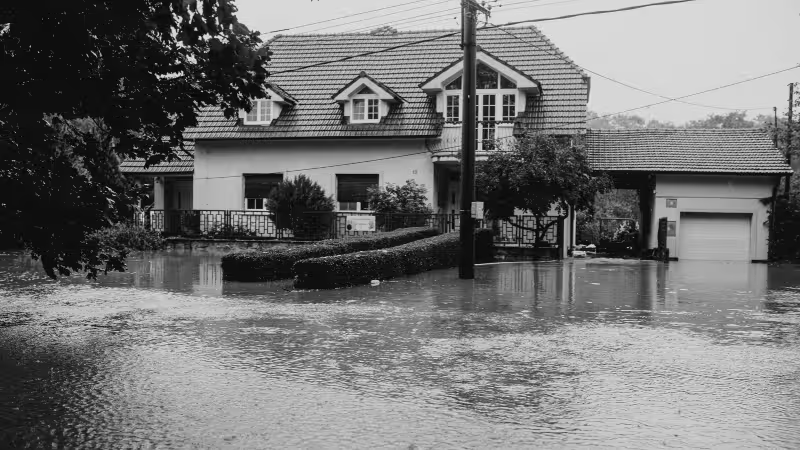
The Role of Emergency Water Extraction in Preventing Structural Damage
A burst geyser at 2am, a pipe that gives way inside a wall, or a Cape winter storm that sends water pouring under the back door. Water damage rarely gives any warning. The difference between a manageable clean-up and a costly structural repair usually comes down to how quickly the water is removed. Emergency water extraction is the first and most important step in protecting your property. Here is why speed matters so much and what happens to a building when water is left to sit.
Table of Contents
Why Water Damage Is More Than a Surface Problem
Many homeowners treat water damage as a cosmetic issue: a stained ceiling, a lifted laminate floor or some bubbling paint. These visible signs are often only the start. Water moves quickly and quietly into wall cavities, under floor coverings, through subfloors and into the timber and concrete that hold your home up.
It helps to separate two types of damage. Cosmetic damage affects finishes such as paint, carpets, wallpaper and individual sheets of drywall. It can look alarming, but none of these materials carry the building’s load. Structural damage happens when water reaches load-bearing parts of the building, such as floor joists, wall studs, roof trusses, beams and the foundation. These two problems are repaired in very different ways and at very different costs. Emergency water extraction is what keeps the first from turning into the second.
How Water Weakens a Building’s Structure
Different building materials react to prolonged moisture in different ways, and none of them react well.
Timber Framing and Joists
Wood loses strength as it absorbs moisture, well before any rot is visible. Once framing timber stays above roughly 20% moisture content, it becomes vulnerable to decay fungi. That breakdown of wood fibre can begin within a few weeks, long before a floor starts to sag. Beams and joists can then warp, split or rot, reducing their load-bearing capacity. The result is sagging floors and ceilings.
Metal Fixings and Connectors
Steel brackets, joist hangers, nails and screws corrode when they stay wet. Corroded metal loses its grip strength while still looking sound from the outside. A connection may appear intact even though it is no longer doing its job.
Plasterboard and Drywall
Plasterboard absorbs water readily. Once saturated, it softens, crumbles and eventually disintegrates. You may also notice screws or nails backing out of ceilings and walls, a sign that the framing behind them has shifted.
Concrete, Masonry and Foundations
Water doesn’t rot concrete, but it seeps into masonry through cracks and pores. More importantly, it can wash away and destabilise the soil beneath a foundation. Much foundation-related structural damage starts with what happens to the soil rather than the concrete itself.
The Clock Starts Ticking the Moment Water Enters
Time is the single biggest factor in how much damage water causes. Mould can begin to grow on damp materials within 24 to 48 hours. Water damage also escalates: a situation that starts with a wet carpet can, within days, become saturated subflooring and framing as moisture is absorbed deeper into the structure.
The pattern over time is fairly consistent. Within a few weeks, framing moisture rises and early decay can take hold, and repairs are usually still small and affordable. After a few months, decay spreads, fixings loosen and minor sagging appears. That often means replacing joists, beams or sections of subfloor. After a year or more, structural members can lose meaningful strength, cracks widen, and doors and windows shift out of square. If water damage is left untreated for several years, the load-bearing capacity of the structure can be compromised to the point of partial collapse.
A problem caught early usually needs drying and a minor repair. The same problem caught late can need a rebuild.
What Emergency Water Extraction Actually Involves
Emergency water extraction is the rapid, professional removal of standing water from a property. It is followed by thorough drying, so that moisture is removed from the building materials themselves and not just the surface.
Removing Standing Water Quickly
Restoration teams use high-powered pumps and industrial extraction units to remove large volumes of water in a fraction of the time household tools would take. Mops, buckets and domestic wet vacuums simply cannot keep up with a serious flood or burst pipe. Every hour water remains in place, it soaks deeper into the structure.
Finding Hidden Moisture
The water you can see is only part of the problem. Moisture moves into wall cavities, beneath floor coverings and into subfloors, where it can cause warping, rot and mould long after the visible water has gone. Professionals use moisture meters and thermal imaging cameras to locate these hidden pockets. A surface reading can miss water trapped inside a wall or floor, so probe readings of the framing itself are often needed.
Structural Drying and Monitoring
Once the standing water has been extracted, dehumidifiers and air movers are placed strategically to dry the structure. Technicians take moisture readings throughout the process to confirm that timber and other materials have dried to safe levels before anything is sealed up or repaired. Covering damp framing with new plasterboard or flooring simply traps the problem inside.
Preventing Secondary Damage
Prompt emergency water extraction also prevents the knock-on effects that follow water damage. These include warped and buckled flooring, corroded pipes, swollen cabinetry and electrical faults. Addressing these early means you aren’t facing a fresh set of problems months later.
The Health Risks of Leaving Water Standing
Structural damage is only one part of the risk. Floodwater is frequently contaminated with dirt, bacteria and chemicals, and the danger is far greater when a sewage backup is involved. Contact with contaminated water can cause skin infections, gastrointestinal illness and respiratory problems.
If a property isn’t cleaned and dried properly, bacteria and mould spores can linger in carpets, furniture and ventilation systems long after the surface looks dry. Mould is one of the most common consequences of water damage. Once it becomes established, it is difficult and expensive to remove, and it can affect indoor air quality and the health of everyone living in the home. Professional teams use protective equipment and specialised cleaning solutions to sanitise affected areas, so the home is disinfected as well as dried.
Electrical Hazards and Belongings
Water and electricity are a dangerous combination. Water entering electrical systems can damage wiring, plug points and distribution boards, creating a risk of short circuits, shocks and fires. Low-mounted plug points and appliances such as geysers, washing machines, tumble dryers and dishwashers are especially vulnerable. If water is reaching an area, switch off the power at the distribution board before doing anything else. Have a qualified electrician inspect the system before it is used again.
Personal belongings suffer too. Books, photographs, documents, electronics, clothing and furniture can be ruined quickly. Professional restoration often includes assessing and salvaging contents, using specialised drying and cleaning techniques for items of financial or sentimental value. The sooner these items are removed and treated, the better their chances.
Warning Signs That Water Has Reached the Structure
Ordinary water damage shows up as staining, discolouration, brown patches on paint, flaking plaster and lifting or swollen flooring. Other indicators include a persistent musty smell, visible mould patches and increased condensation inside the home. Hidden leaks often reveal themselves through an unexplained jump in your water bill.
Some signs suggest the water may have reached the structure itself. These include a floor that feels soft, springy or bouncy, and a wall or ceiling that bulges or leans. Doors and windows that suddenly stick are another sign, as are cracks that keep reopening after being patched. Horizontal or stair-step cracks in a foundation wall wider than about 6mm are a common trigger for a structural assessment. A musty smell with no visible source can mean decay is active inside a wall or floor.
If you notice a sagging floor, active bulging, cracking or popping sounds from the framing, or water entering through a new crack, keep everyone out of that area until a professional has assessed it.
What to Do When Water Damage Strikes
The first hour matters. Shut off the water supply at the mains if a pipe or geyser has burst, and switch off electricity to affected areas. Stay off any floor that feels unstable. Photograph the damage from several angles, including wide shots and close-ups, and note when you first noticed it. Insurers and contractors will ask for this record.
Then call an emergency water extraction and restoration team. If there are signs of structural movement, a registered structural engineer should assess the framing or foundation before repairs begin. In South Africa, that means a professional engineer registered with the Engineering Council of South Africa (ECSA). A contractor who patches over a damaged joist that was never properly evaluated may simply hide the problem. Significant structural repairs may also require approval from your local municipality under the National Building Regulations.
How Fast Action Protects Your Insurance Claim and Your Wallet
Acting quickly affects your finances as well as your home. Most homeowners’ insurance policies distinguish between sudden, accidental damage, such as a burst pipe, and gradual damage from a slow leak that was ignored. Insurers generally expect policyholders to take reasonable steps to limit further loss. Calling for emergency water extraction promptly, and documenting the damage, shows that you acted responsibly. This can make the claims process smoother.
The cost of restoration is also far lower when damage is dealt with early. Drying out a room and replacing a section of skirting is a small job. Replacing rotted joists, subfloors or underpinning a foundation is not. Repaired structural damage may also need to be disclosed when you sell your home. A well-documented, professionally handled repair is far easier to explain to a buyer than an undocumented problem.
Reducing the Risk Before It Happens
Prevention keeps water away from your home’s structure. Make sure the ground slopes away from your foundations and that gutters and downpipes carry water well clear of the house. Have your geyser and its drip tray checked regularly, inspect appliance hoses, and know where your main water shut-off valve is. Walk around the outside of your home once a year, ideally after the rainy season, and look for new cracks or soil pulling away from the walls. Above all, deal with any leak within days, not months. Framing that dries out within a week or two rarely reaches the point where decay becomes a structural concern.
Act Fast, Protect Your Property
Water damage gets worse with every hour, and the parts of your home that suffer most are often the ones you can’t see. Emergency water extraction stops that process early. It removes standing water, finds hidden moisture and dries the structure before rot, corrosion and mould take hold. If your home or business has been affected by flooding, a burst pipe or a leaking geyser, call a professional restoration team straight away. It is the most effective way to keep a water problem from becoming a structural one.


