
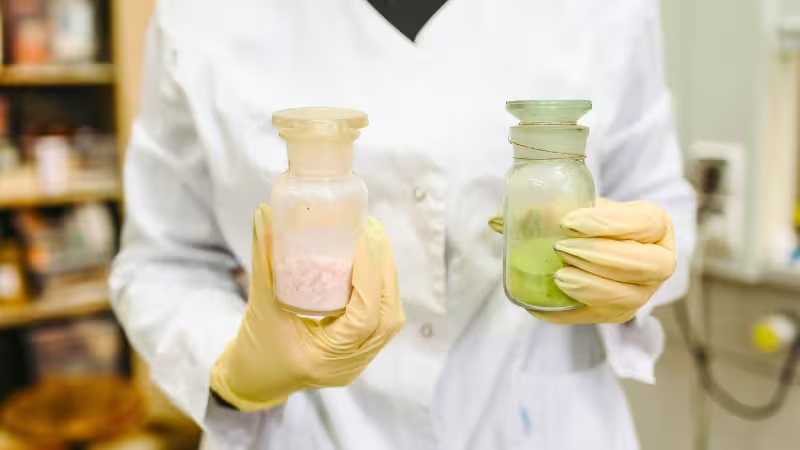
Septic Tank Additives are often marketed as an easy way to improve septic system performance, reduce smells, break down waste and cut down on pumping. For homeowners, that sounds appealing. A simple product poured into the toilet or sink seems far easier than dealing with inspections, maintenance schedules and unexpected repairs.
The reality is less straightforward. Some additives are promoted as helpful support for the natural processes already taking place inside a septic tank, while others can upset the balance of the system or create bigger problems over time. The effectiveness of these products depends on the type of additive, the condition of the septic system and whether the household is already following good maintenance habits.
A healthy septic system is designed to do its job without needing constant outside help. Waste enters the tank, solids settle, lighter materials float, and naturally occurring bacteria begin breaking down organic matter. From there, partially treated wastewater flows to the drain field for further treatment in the soil. When this process is working properly, the system relies on balance rather than quick fixes.
That is why Septic Tank Additives remain a debated topic. Some articles and service providers recognise that certain biological or enzyme-based products may offer limited support in specific situations. Others are more cautious and argue that many additives are unnecessary at best and harmful at worst. The key is understanding what these products are, how they work and what they can and cannot do.
Table of Contents
What Are Septic Tank Additives?
Septic Tank Additives are products added to a septic system with the aim of improving waste breakdown, reducing sludge, controlling odours or clearing minor blockages. They are generally sold as liquids, powders, tablets or packets and are usually flushed into the system through a toilet or drain.
Biological Additives
Biological additives usually contain bacteria, enzymes or a combination of both. These are designed to support the natural decomposition of organic waste inside the tank. The idea is that adding selected bacteria or enzymes may help break down solids such as fats, proteins and other organic matter more efficiently.
These products are often marketed as the gentler option because they work with the biological activity already present in a septic tank. Some homeowners use them after the system has been disrupted by antibacterial cleaners, bleach, medication residues or long periods of inactivity. They are also commonly positioned as a maintenance aid for reducing odours and supporting microbial balance.
Chemical Additives
Chemical additives are typically made with acids, alkalis or other compounds intended to dissolve solids, break up grease or open clogs. These products may appear to offer fast results, especially where a system is draining slowly or producing unpleasant smells.
The concern is that they can be too aggressive for septic systems. While they may act quickly on certain materials, they can also interfere with the living bacteria the tank depends on. In some cases, they may push solids out into the drain field instead of solving the root problem, increasing the risk of long-term damage.
How a Septic System Works Without Additives
To understand whether Septic Tank Additives are useful, it helps to look at how a septic system is meant to function on its own. Wastewater from the house flows into the tank, where it separates into three layers. Heavy solids sink to the bottom and form sludge. Oils and grease float to the top and form scum. The liquid in the middle moves onward to the drain field.
Inside the tank, naturally occurring bacteria break down part of the organic waste. This process reduces some solids, but it does not remove everything. That is why sludge and scum still build up over time and why regular pumping remains necessary.
A properly sized and well-maintained septic system is engineered to handle normal household waste without routine additive use. If a tank is healthy, it already contains the bacteria needed for digestion. If the system is overloaded, neglected or damaged, an additive alone is unlikely to correct the deeper issue.
Why Homeowners Use Septic Tank Additives
Many people turn to Septic Tank Additives because they want to prevent problems before they start or fix small warning signs without calling a professional. Marketing claims often promise fewer pump-outs, improved flow, less sludge and a longer system lifespan.
Odour Control
Bad smells are one of the most common reasons homeowners reach for additives. Biological products are often sold as a way to support digestion and reduce septic odours. In some situations, improving bacterial activity may help with smells linked to organic waste buildup.
Still, odours can also point to more serious issues such as blocked vents, overfull tanks, drain field problems or plumbing faults. If that is the cause, an additive may mask the symptom without solving the problem.
Sludge Reduction
Another common claim is that additives can reduce sludge. Some enzyme and bacteria products may help break down certain organic solids, which sounds useful on paper. Yet septic tanks are still designed to collect solids, and pumping is still needed. No additive can replace the physical removal of accumulated sludge and scum.
Recovery After Disruption
Some homeowners use biological additives after heavy use of disinfectants, antibacterial cleaners or medications that may have affected bacterial populations inside the tank. Others add them to systems that have sat unused for a long period, such as holiday homes.
This is one of the few situations where supporters of biological additives argue they may have some value. Even then, they should be seen as a limited support measure rather than a substitute for proper assessment and maintenance.
Potential Benefits of Biological Additives
The most favourable views on Septic Tank Additives tend to focus on biological and enzyme-based products rather than chemical ones. These are generally seen as the lower-risk option when used carefully and in the right context.
Supporting Natural Waste Breakdown
Because biological additives are made to work alongside the tank’s natural microbial activity, they may assist in breaking down organic matter under certain conditions. This can be appealing where a system has experienced minor imbalance or where waste breakdown seems slower than usual.
Helping Maintain Microbial Balance
A septic tank depends on beneficial bacteria. Some biological products are designed to restore or support that balance, especially after the use of harsh cleaning products or other substances that may have reduced bacterial activity.
Reducing Minor Odour Issues
When unpleasant smells are linked to incomplete waste digestion rather than a structural problem, biological additives may help improve conditions inside the tank. This is one reason these products are often preferred over harsh chemical options.
Even with these possible benefits, it is important to keep expectations realistic. Helpful does not mean essential, and supportive does not mean transformative. A well-functioning system should not need constant product use to do its job.
The Risks and Drawbacks of Chemical Additives
Chemical Septic Tank Additives are the most controversial category. They are often promoted for quick action, but that speed can come at a cost.
Disrupting Beneficial Bacteria
A septic system relies on bacteria to digest waste. Harsh chemicals can kill or weaken these helpful microbes, reducing the tank’s ability to process solids naturally. That can create the very problems the homeowner was trying to avoid.
Damaging the Tank and Drain Field
Some chemical products can affect the structural integrity of the system over time or interfere with the soil absorption area. If solids are broken up and pushed into the drain field rather than properly contained, the result can be clogging, poor drainage and expensive repairs.
Creating a False Sense of Security
One of the biggest dangers is relying on additives instead of maintenance. A product that seems to improve short-term flow may delay proper inspection while the underlying problem gets worse. By the time professional help is called, the repair may be far more costly.
Can Septic Tank Additives Replace Pumping?
The simple answer is no. This is one of the most important points homeowners need to understand.
A septic tank naturally accumulates sludge and scum. Although bacteria break down some organic matter, not everything decomposes fully. Solids must still be removed through scheduled pumping. Additives do not eliminate this need.
Claims that a product can make pumping unnecessary should be treated with caution. Regular pumping and inspections remain the most reliable way to protect the system, identify problems early and avoid drain field failure. Additives may be marketed as a maintenance shortcut, but they are not a replacement for routine professional care.
When Septic Tank Additives May Be Considered
There are situations where a carefully chosen biological additive may be worth considering, but this should be based on system needs rather than advertising claims.
After Bacterial Disruption
If a septic system has been exposed to large amounts of bleach, disinfectants, antibacterial soaps or medications, beneficial bacteria may have been reduced. A biological additive may be used as a supportive measure in these cases.
In Seasonal or Lightly Used Properties
Holiday homes and properties that sit unused for long periods may experience interruptions in normal bacterial activity. Some homeowners use biological products when the property becomes active again.
As a Supplement, Not a Cure
The most sensible approach is to treat Septic Tank Additives, particularly biological ones, as an optional supplement rather than a solution. If a tank is backing up, draining slowly, smelling strongly or showing signs of failure, professional inspection should come first.
Best Practices for Protecting Your Septic System
The strongest message across expert advice is that septic care is built on habits, not miracle products. Homeowners can do far more for their system through good daily practices than through routine additive use.
Be Careful What Goes Down the Drain
Non-biodegradable items, wipes, sanitary products, grease, oils and excessive food waste should never be flushed or washed into a septic system. These materials can increase buildup and create blockages.
Avoid Harsh Household Chemicals
Strong cleaners, solvents and antibacterial products can disrupt the natural bacterial balance inside the tank. Choosing septic-safe products and using chemicals sparingly can help protect system health.
Manage Water Use
Too much water entering the system at once can overload the tank and drain field. Spacing out laundry loads, fixing leaks and using water efficiently helps the system operate as intended.
Schedule Regular Inspections and Pumping
Routine inspections and pump-outs remain the foundation of septic maintenance. These services allow problems to be detected early and prevent solids from building up to dangerous levels.
How to Choose an Additive Carefully
If a homeowner still wants to use Septic Tank Additives, the safest approach is to proceed carefully and avoid making decisions based on exaggerated claims.
Prefer Biological or Enzyme-Based Products
If an additive is considered necessary, biological or enzyme-based products are generally the better option. They are less likely to harm beneficial bacteria and are usually presented as working with the system rather than against it.
Follow Directions Exactly
Using more product does not mean better results. Overuse can create imbalances or simply waste money. Manufacturer instructions should be followed carefully.
Seek Professional Advice First
Before adding anything to a septic system, it is wise to speak to a qualified septic professional. A product that suits one system may be unnecessary or unsuitable for another. Expert guidance helps prevent avoidable damage.
The Real Answer on Septic Tank Additives
Septic Tank Additives sit in a grey area between useful support and unnecessary risk. Biological products may offer limited benefits in certain situations, especially when bacterial activity has been disrupted or a system needs gentle support. Chemical additives are far riskier and are far more likely to cause damage than lasting improvement.
For most homeowners, the best septic care strategy is still the simplest one: use the system properly, avoid harmful substances, conserve water and arrange regular inspections and pumping. Those habits protect the tank, preserve the drain field and reduce the likelihood of expensive breakdowns.
Additives should never be treated as a shortcut or a substitute for maintenance. A septic system performs best when its natural processes are respected and when problems are addressed at the source rather than covered up with a product. When used at all, Septic Tank Additives should be chosen carefully, used sparingly and backed by professional advice.


