
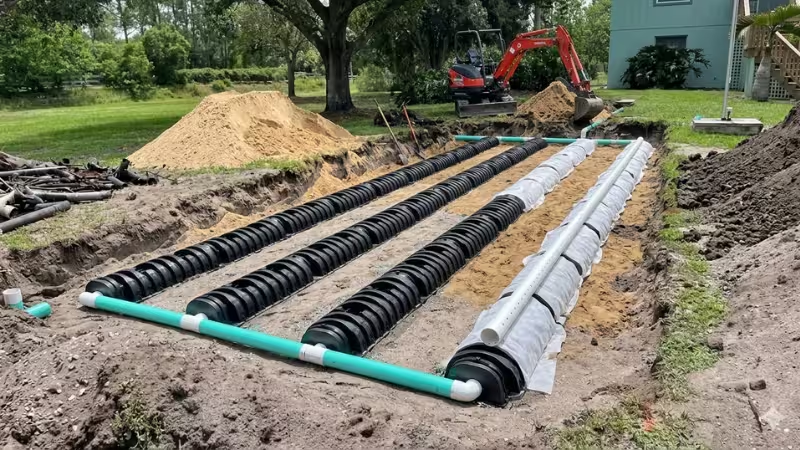
A septic drain field — also known as a leach field, dispersal field, or absorption field — is an underground wastewater treatment system that forms the final stage of a conventional septic system. Together with the septic tank and the connecting pipework, the drain field completes the process of treating and safely returning household or commercial wastewater to the environment.
Properties not connected to a municipal sewer network rely entirely on this system to manage their waste. When toilets are flushed or water drains from sinks and showers, that wastewater travels into a buried septic tank, typically located around 150mm below the surface. From there, a natural separation process takes place — and the drain field is where the story ends.
Table of Contents
The Three Layers of Wastewater
Inside the septic tank, bacteria get to work breaking down organic matter. Over time, the wastewater separates into three distinct layers. Floating materials rise to form a top layer of scum. Heavy solid waste sinks to the bottom as sludge. Between these two layers sits the effluent — a liquid layer that has undergone initial treatment and is ready to be dispersed into the drain field.
It is this middle layer, the effluent, that flows out of the tank and into the drain field. The sludge and scum remain in the tank, where they continue to be broken down by bacteria and must be periodically pumped out during routine maintenance.
How Septic Drain Fields Work
Once the effluent leaves the septic tank, it travels through a distribution system into a network of perforated pipes laid horizontally in gravel-filled trenches beneath the soil. These pipes distribute the effluent evenly across the drain field area, allowing it to seep slowly and steadily into the surrounding subsoil.
As the effluent percolates downward through the soil, harmful bacteria, viruses, nutrients, and other contaminants are naturally filtered out and neutralised. By the time the treated water reaches the groundwater table, it is substantially cleaner and far less harmful to the environment.
The Role of Aerobic Bacteria
A key part of what makes a drain field effective is the community of aerobic bacteria that live in the soil surrounding the perforated pipes. Unlike the anaerobic bacteria at work inside the septic tank, aerobic bacteria thrive in oxygen-rich conditions. They perform the bulk of the biological treatment, breaking down the organic compounds remaining in the effluent before it disperses into the subsoil. This natural filtration process is what prevents the drain field from becoming a source of pollution.
The Importance of Soil Type
Not all soil is suitable for a drain field, which is why a percolation test — commonly called a perc test — is required before installation in most jurisdictions. The goal is to find soil that is permeable enough to allow effluent to drain away at a suitable rate, while fine-grained enough to filter out pathogens before they travel any significant distance.
Coarse, sandy soils drain too quickly and may allow bacteria and viruses to pass through without adequate treatment. At the other extreme, dense clay soils restrict flow to the point where the system backs up. The ideal is a medium-textured loam that balances permeability with filtration capacity.
Types of Septic Drain Field Systems
While the traditional gravel-and-pipe drain field has been in use for decades, there are several alternative designs suited to different site conditions and soil types.
Conventional Gravel Systems
The standard drain field consists of perforated pipes laid in gravel-filled trenches. A geofabric layer is placed over the gravel to prevent soil from migrating into the system. This design has a proven track record but requires a relatively large land footprint and may not be suitable for all properties.
Chamber Systems
Chamber systems replace the gravel with a series of connected open-bottomed plastic chambers buried in the soil. Effluent enters the chambers and filters directly into the surrounding soil. They are easier and faster to install, work well in areas where gravel is scarce, and are particularly suitable for sites with variable wastewater volumes — such as guesthouses or holiday accommodation.
Mound Systems
Where shallow soil depth, high groundwater levels, or underlying bedrock prevent a conventional drain field, a mound system is sometimes used. Effluent is pumped from the tank to an elevated, engineered sand mound above the natural ground surface, where it filters through the sand before dispersing into the native soil below. These systems require more space and more maintenance than standard systems.
Drip Distribution Systems
Drip distribution uses narrow tubing inserted into the upper 150–300mm of soil to deliver effluent in small, precisely timed doses. This keeps the effluent near the surface where aerobic treatment is most effective. These systems require electrical components and a dosing tank, which adds cost and maintenance complexity.
Aerobic Treatment Units
Aerobic treatment units (ATUs) introduce oxygen directly into the treatment tank, dramatically increasing microbial activity and producing a much cleaner effluent than a standard septic tank. Because the effluent quality is higher, ATUs can be used on smaller plots, in areas with high water tables, or near sensitive water bodies. They do, however, require regular professional servicing.
Where Should a Septic Drain Field Be Located?
Choosing the right location for a drain field involves more than just finding an open patch of ground. The field must be positioned downstream of the septic tank, but it also needs to maintain a safe distance from natural watercourses, boreholes, and drinking water sources to prevent contamination.
Certain areas are completely unsuitable for conventional drain fields. Groundwater Source Protection Zones (SPZs), for example, prohibit drain fields in order to protect aquifers used for municipal water supply. In these cases, an alternative system such as an ATU with a higher level of treatment may be required.
Other factors that affect suitability include the slope of the land, seasonal groundwater levels, and the depth of impermeable layers such as clay or rock. A qualified engineer or soil scientist should always be involved in assessing a site and designing a system that complies with local regulations.
How Long Do Septic Drain Fields Last?
A well-designed and properly maintained drain field can last between 20 and 30 years. However, this lifespan is not guaranteed — it depends heavily on the quality of the original installation, whether the system is appropriately sized for the volume of wastewater it handles, the condition of the soil, and the consistency of ongoing maintenance.
One of the biggest threats to drain field longevity is bioclogging. Over time, a layer of biological slime — made up of microbial colonies feeding on organic compounds in the effluent — forms at the interface between the gravel and the soil. This biofilm reduces the permeability of the soil and restricts drainage. If left unchecked, it can cause the field to fail prematurely.
Common Septic Drain Field Problems
Even well-maintained drain fields encounter problems from time to time. Understanding the warning signs can help you act before a minor issue becomes a costly repair.
Root Invasion
Tree and shrub roots are naturally drawn to the moisture and nutrients in a drain field. Over time, roots can penetrate the perforated pipes, blocking or crushing them. Unusually lush or fast-growing grass over the field area — or slow drains inside the building — can both point to root invasion.
Flooding and Oversaturation
Standing water on the surface above a drain field, or the smell of sewage outdoors, usually indicates that the field is saturated and unable to absorb effluent at the required rate. This can result from heavy rainfall, a rising water table, or the field simply being overwhelmed by excessive water use.
Clogged or Crushed Pipes
Accumulated solids — including lint from laundry, fats and oils that have passed through the tank, and mineral deposits — can block the perforated pipes over time. If drainage is slow and no roots are present, a pipe inspection may reveal a blockage or physical damage caused by heavy vehicles driven over the field.
Soil Compaction
Compacted soil loses its ability to absorb effluent effectively. Driving or parking on a drain field is one of the most common causes of compaction, and it can permanently damage the soil structure. Even foot traffic from livestock can contribute to compaction over time.
Undersized Drain Fields
A drain field that was never large enough to handle the volume of wastewater generated by the property will show signs of strain from early on — slow drains, regular backups, and standing water. As households grow or buildings change use, it is worth reassessing whether the system is still appropriately sized.
How to Maintain a Septic Drain Field
Routine maintenance is the single most effective way to extend the life of a drain field and avoid expensive failures. The septic tank should be pumped out regularly — typically every three to five years for residential properties, though properties with higher usage may require more frequent attention. Keeping the tank properly maintained prevents excess sludge from spilling over into the drain field, where it can cause rapid and severe clogging.
Annual inspections of the full system are strongly recommended. A qualified professional will assess the sludge and scum levels in the tank, check for signs of blockages, inspect the distribution pipes, and look for any surface evidence of drainage failure.
Beyond professional servicing, responsible day-to-day habits make a significant difference. Avoid flushing non-biodegradable items — wet wipes, cotton buds, and sanitary products are frequent culprits. Be mindful of water usage, as excessive volumes can overwhelm the field. Keep heavy vehicles and machinery off the drain field surface, and ensure that rainwater drainage is directed away from the area rather than towards it.
Household chemicals also deserve attention. Bleach, drain cleaners, and solvent-based products can kill the bacteria that make the drain field function. Used in moderation, most cleaning products are unlikely to cause lasting harm, but regular or heavy use of antimicrobial or solvent-based chemicals can disrupt the biological balance that the entire system depends on.
Protecting Your Drain Field from Above
What grows over your drain field matters too. Shallow-rooted grass is ideal — it helps absorb excess moisture and prevents erosion without posing a root invasion risk. Avoid planting trees, large shrubs, or vegetable gardens over or near the drain field. Never cover the surface with impermeable materials such as concrete or paving, as this prevents the soil from breathing and reduces the aerobic conditions that the treatment bacteria need to survive.
When a Drain Field Fails
If a drain field fails entirely, the options depend on the cause and extent of the damage. In some cases, resting one section of a divided field while effluent is routed to another area allows the bioclogging to reduce naturally as soil organisms break down the accumulated organic material. In other cases, partial or full replacement of the drain field may be necessary.
Early intervention is always cheaper than a full replacement. If you notice any of the warning signs discussed above — sewage smells, slow drains, surface pooling, or unusually green patches of grass — have the system inspected without delay. A septic drain field that is caught early can often be rehabilitated; one that is left to fail entirely usually cannot.


