
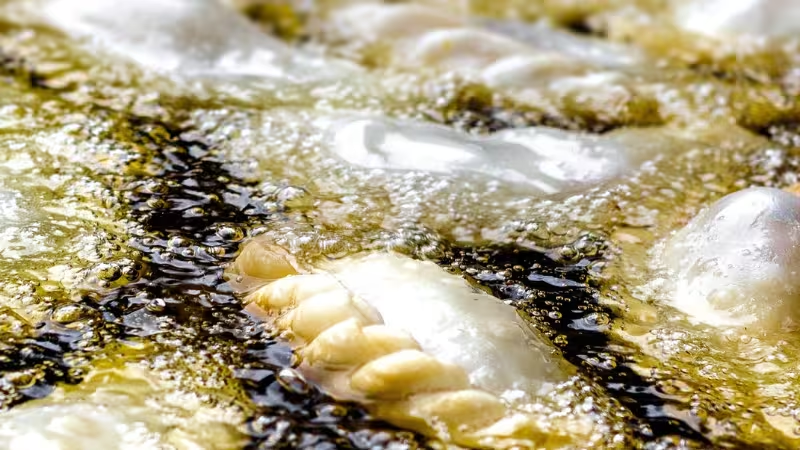
Every commercial kitchen produces fats, oils and grease (FOG). These come from frying, roasting, washing up and the plates that come back from the dining room. A grease trap catches this FOG before it reaches the municipal sewer. Wastewater flows through the unit, and the grease cools, solidifies and floats to the top. Heavier food solids sink to the bottom, and the cleaner water in the middle flows out. It’s a simple system, but it only works when it is properly looked after.
When a grease trap is neglected or cleaned the wrong way, problems build up quickly. Kitchens end up with foul odours, slow drains, sewage backups and emergency call-outs in the middle of a busy service. Many South African municipalities also require food premises to have a grease trap and to keep it maintained under their wastewater and industrial effluent by-laws. A badly maintained trap can therefore lead to fines and failed inspections. The good news is that most of these problems come from a handful of avoidable grease trap cleaning mistakes.
Table of Contents
Mistake One: Waiting Too Long Between Cleanings
Why Waiting for Warning Signs Backfires
The most common mistake is treating grease trap cleaning as something to do only when the kitchen starts to smell or the sinks drain slowly. A grease trap doesn’t fail suddenly when it reaches capacity. As FOG and solids build up, the trap gradually loses its ability to separate grease from water, and more grease escapes into the drainage lines. By the time odours or backups appear, grease has often already hardened further along the pipes, where it is harder and more expensive to remove.
How Often Should a Grease Trap Be Cleaned?
There is no single schedule that suits every kitchen. Most service providers suggest professional cleaning every one to three months, and high-volume restaurants, takeaways and food processing facilities often need it more often. A useful rule of thumb is to clean the trap before the combined layer of grease and solids takes up about a quarter of its capacity. Past that point, efficiency drops sharply. Checking the trap weekly and setting a cleaning routine based on your actual output works far better than reacting to a crisis.
Ignoring the Manufacturer’s Guidance
Grease traps differ in size, design and capacity, so they shouldn’t all be maintained the same way. A small under-sink unit in a coffee shop has very different needs from a large in-ground interceptor serving a hotel kitchen. Read the manufacturer’s documentation for recommended inspection and service intervals, and check those intervals against your municipality’s requirements.
Mistake Two: Relying on DIY Shortcuts
The Problem With Pouring Hot Water Down the Drain
Many kitchen teams believe that flushing boiling water down a trap-connected sink will clear the grease. Hot water does liquefy FOG for a while, but it doesn’t remove it. The melted grease simply travels past the trap and into the sewer pipes, where it cools, hardens again and catches food particles and other debris. Over time this creates exactly the downstream blockage the grease trap was installed to prevent.
Harsh Chemicals and Miracle Additives
Using strong chemicals is another tempting shortcut. Bleach, solvents, caustic drain cleaners and other harsh products can corrode the interior of the trap and lead to leaks or early failure. They also disrupt the natural biological breakdown of grease inside the unit, and they can carry harmful substances into the wider water system. Shop-bought products that claim to “digest” grease are a different issue: they rarely have the strength to cope with the volumes a commercial kitchen produces. At best they push the problem further down the line.
Cleaning Only the Visible Layer
Some businesses scoop the grease cap off the top and consider the job done. Grease and solids collect at different levels inside the trap, though, and heavy sediment at the bottom keeps eating into the trap’s capacity. A surface skim gives a temporary improvement at best, and the next problem arrives sooner. Small traps can be hand-cleaned with care, provided the waste goes into a sealed container for proper disposal. Larger units need professional pumping that empties the whole tank.
Mistake Three: Forgetting the Pipes and the Trap Itself
Overlooking the Connecting Lines
A perfectly clean grease trap won’t help much if the pipes running into and out of it are coated in grease. Line maintenance is often an afterthought, but it is just as important as emptying the trap. High-pressure water jetting breaks up stubborn grease and food deposits deep inside drain lines. Combined with regular trap servicing, it prevents slow drainage and recurring backups.
Skipping the Structural Inspection
Grease traps wear out. Constant exposure to acidic waste, heat and cleaning agents can eventually cause cracks, corroded baffles, damaged seals and leaks. Every cleaning visit is a chance to check the condition of the unit. Catching a crack or a failing component early is far cheaper than dealing with a leak that contaminates surrounding soil or groundwater, which can also land a business in serious legal trouble.
Poor Sizing and Installation
Some grease trap problems start on the day the unit is installed. A trap that is too small for the kitchen’s output fills too quickly and can’t separate FOG properly, whatever the cleaning schedule. If a newly installed trap drains slowly or underperforms from the start, have the installer or a drainage specialist assess the sizing and set-up.
Mistake Four: Not Training Kitchen Staff
How Daily Habits Affect the Grease Trap
The amount of FOG and food waste that reaches the grease trap depends largely on what happens at the sink. When staff don’t understand how the system works, they rinse plates full of food scraps, pour used oil down the drain and wash greasy pans without wiping them first. Each of these habits shortens the time between cleanings and raises the risk of a blockage.
Simple Practices That Make a Big Difference
Good grease management starts with a few easy routines. Staff should scrape plates, pots and fryer baskets into the bin before washing them. Drain screens should be fitted to sinks to catch solids. Used cooking oil should be collected in sealed containers for recycling or licensed collection, never poured away. Staff should also learn to recognise the early signs of a struggling trap, such as unusual odours, gurgling or slow drainage, and know who to report them to. When the whole team understands why these steps matter, the kitchen has fewer smells and fewer emergency call-outs, and goes longer between deep cleans.
Mistake Five: Neglecting Compliance and Record-Keeping
Why Maintenance Logs Matter
Many municipalities expect food businesses to show that their grease traps are being serviced regularly, and environmental health officers may ask for proof during inspections. Without records, it’s hard to show compliance, and it’s just as hard to know when the trap was last cleaned. Keep a maintenance log that notes the date of each service, the service provider, the volume of waste removed, the condition of the trap and any problems or follow-up work recommended. Over time this log can also reveal patterns, such as a trap that fills faster during peak season, which can guide changes to the schedule or to kitchen practices.
Improper Waste Disposal
Grease removed from a trap still has to go somewhere. Pouring it back down another drain, or dumping it with ordinary waste where that isn’t allowed, can create blockages elsewhere and may breach local regulations. A reputable service provider will transport and dispose of trap waste responsibly and should be able to document how it was handled.
Mistake Six: Choosing a Service Provider on Price Alone
Looking Beyond the Cheapest Quote
Cost matters, but the lowest quote doesn’t always mean the best value. A provider who cuts corners might only skim the surface, skip the line inspection or dispose of waste irresponsibly, which leaves your business exposed. When comparing companies, look at their experience, equipment, disposal practices, scheduling flexibility and reputation. Ask exactly what the quoted price includes, and whether jetting, inspections or callout fees will be charged on top.
The Value of Professional Maintenance
Professional grease trap cleaning combines complete pumping, proper disposal, structural checks and line maintenance in one service. Technicians can spot early warning signs that untrained staff might miss and can recommend a cleaning frequency based on your kitchen’s real output. That proactive approach prevents emergencies and keeps the business on the right side of municipal requirements.
Protecting Your Kitchen, Your Budget and the Environment
Avoiding grease trap cleaning mistakes protects more than the trap itself. A well-maintained system drains better, reduces odours and pest problems, and extends the life of your plumbing. It also helps you avoid unplanned downtime and costly emergency repairs. It keeps FOG out of the municipal sewer network, which reduces sewer overflows and environmental damage in your community.
The steps aren’t complicated. Clean the trap regularly, before it reaches capacity, and steer clear of hot water and harsh chemicals. Keep the connecting lines clear and inspect the unit itself for wear. Train your staff, keep accurate records, and choose a reliable professional partner. With consistent care, your grease trap will do its job quietly in the background, and your kitchen can get on with feeding customers.


