
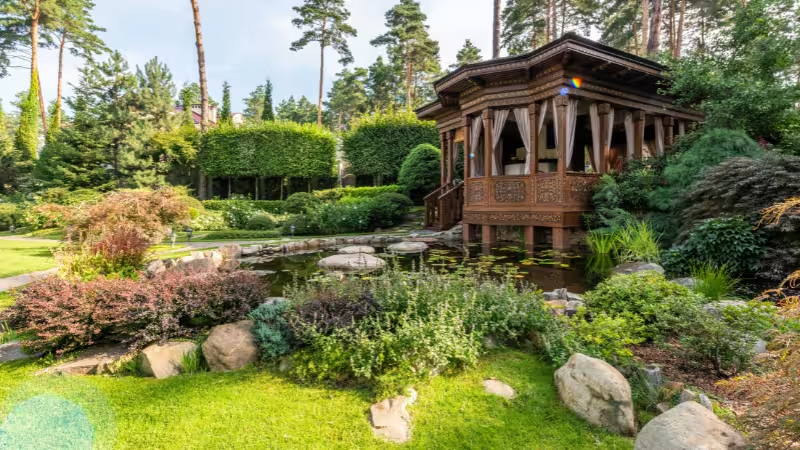
Landscaping Around Your Septic System requires a careful balance between creating an attractive outdoor space and protecting a vital part of your property’s wastewater infrastructure. A septic system relies on soil, microbes, and gravity to function correctly, which means that poor landscaping choices can interfere with drainage, cause blockages, or lead to costly repairs. With the right approach, it is possible to maintain a healthy septic system while still enjoying a beautiful, functional garden.
Table of Contents
Understanding How Your Septic System Works
Before making landscaping decisions, it helps to understand how a septic system operates beneath the surface. A typical system consists of a septic tank that collects wastewater and a drainfield where treated effluent is dispersed into the soil. The drainfield relies on oxygen-rich soil to filter and break down contaminants. Any changes to soil structure, moisture levels, or root activity above this area can affect how well the system performs.
Why Landscaping Choices Matter
Landscaping Around Your Septic System directly affects soil compaction, water absorption, and root growth. Heavy features can compress the soil and reduce drainage, while certain plants can send aggressive roots into pipes or tanks. Even excess irrigation can oversaturate the soil, slowing down wastewater treatment and increasing the risk of surface pooling or system failure.
Identifying Septic System Components in Your Garden
Knowing exactly where your septic tank and drainfield are located is essential before planting or redesigning your garden. Property plans, municipal records, or a professional inspection can help identify these areas accurately.
Protecting Access Points
Septic tanks require periodic inspection and pumping, so access lids and inspection ports must remain clear. Landscaping should never block or conceal these points permanently. While light ground cover can soften their appearance, they should always be easy to locate and open when maintenance is needed.
Suitable Plants for Landscaping Around Your Septic System
Choosing the right plants is one of the most important steps in Landscaping Around Your Septic System. The goal is to use vegetation that stabilises the soil without interfering with underground components.
Shallow-Rooted Plants and Grasses
Plants with shallow, fibrous root systems are ideal for septic areas. Indigenous grasses and ground covers work particularly well in South African gardens, as they are adapted to local conditions and require less water. These plants help prevent soil erosion while allowing oxygen to circulate through the soil.
Indigenous and Low-Water Plants
Water-wise landscaping supports septic system health by preventing oversaturation. Indigenous shrubs, perennials, and grasses that thrive with minimal irrigation are well suited for planting near drainfields. Their moderate growth habits reduce the likelihood of roots reaching pipes or tanks.
Plants and Features to Avoid Near Septic Systems
Some landscaping choices pose a high risk to septic systems and should be avoided entirely within septic areas.
Trees and Large Shrubs
Trees and large shrubs have extensive root systems that naturally seek out moisture and nutrients. Septic tanks and pipes provide both, making them attractive targets for root intrusion. Even trees planted several metres away can eventually cause damage, leading to blockages or cracked pipes.
Vegetable Gardens and Edible Plants
Planting edible crops over a drainfield is not recommended. While treated wastewater is filtered by the soil, there is still a risk of pathogens coming into contact with edible roots or leaves. Additionally, vegetable gardens often require frequent watering, which can overwhelm the system.
Managing Soil and Ground Conditions
Healthy soil is essential for proper septic system function. Landscaping practices should aim to preserve the natural structure and permeability of the soil above the drainfield.
Avoiding Soil Compaction
Compacted soil limits oxygen flow and reduces the soil’s ability to absorb and treat wastewater. Heavy foot traffic, vehicles, patios, and garden structures should never be placed over septic areas. Even repeated walking can compress the soil over time, so these zones are best left as low-use garden spaces.
Maintaining Proper Drainage
Surface water should always drain away from the septic system. Landscaping can be shaped gently to encourage runoff away from the tank and drainfield, preventing excess moisture from accumulating. This approach reduces strain on the system and helps maintain efficient treatment.
Hardscaping Considerations Near Septic Systems
Hardscaping elements such as paving, decks, and retaining walls require special consideration when working around a septic system.
Lightweight and Removable Options
Permanent hardscaping over a drainfield is risky. If decorative features are desired, lightweight and removable options are preferable. Materials that allow airflow and water penetration help preserve soil function and make future access easier if repairs are required.
Keeping Structures Clear of Septic Areas
Structures such as sheds, pergolas, and water features should always be positioned well away from septic components. These features can interfere with access, add weight to the soil, and redirect water in ways that negatively affect the system.
Water Management and Irrigation Practices
Water use plays a major role in the long-term health of a septic system. Landscaping Around Your Septic System should support efficient water management both above and below ground.
Limiting Irrigation Over Drainfields
Drainfields are designed to handle wastewater, not excessive irrigation. Overwatering can saturate the soil, slowing down treatment and increasing the risk of failure. Plants chosen for septic areas should require little to no supplemental watering once established.
Redirecting Runoff and Rainwater
Gutters, downpipes, and landscape grading should direct rainwater away from septic components. Keeping excess water out of the drainfield allows it to function as intended and reduces pressure on the system during heavy rainfall.
Creating a Wildlife-Friendly Septic Landscape
A septic-friendly garden does not need to be plain or unattractive. With thoughtful planning, it can also support local biodiversity.
Encouraging Natural Plant Diversity
Using a variety of indigenous plants creates habitat for birds, insects, and beneficial organisms without harming the septic system. Diverse plantings help stabilise soil and reduce erosion while enhancing the overall appearance of the garden.
Supporting Soil Health Naturally
Healthy soil microbes are essential for wastewater treatment. Avoiding chemical fertilisers and pesticides near septic areas helps maintain a balanced soil ecosystem. Organic mulches can be used sparingly to retain moisture and suppress weeds, provided they do not restrict airflow.
Long-Term Maintenance and Monitoring
Even with careful landscaping, ongoing attention is required to keep both the garden and septic system in good condition.
Regular Inspections and Pumping
Routine septic inspections and pumping are essential for preventing problems. Landscaping should always allow professionals easy access to system components, reducing maintenance time and costs.
Watching for Warning Signs
Changes in plant growth, persistent wet patches, or unpleasant odours can indicate septic issues. Addressing these signs early can prevent damage and protect surrounding landscaping from contamination.
Balancing Aesthetics and Function
Landscaping Around Your Septic System is about working with the system rather than against it. By choosing appropriate plants, managing water carefully, and respecting the limits of the drainfield, homeowners can create an outdoor space that is both attractive and functional. A well-planned septic landscape protects property value, supports environmental health, and reduces the risk of expensive repairs over time.


