
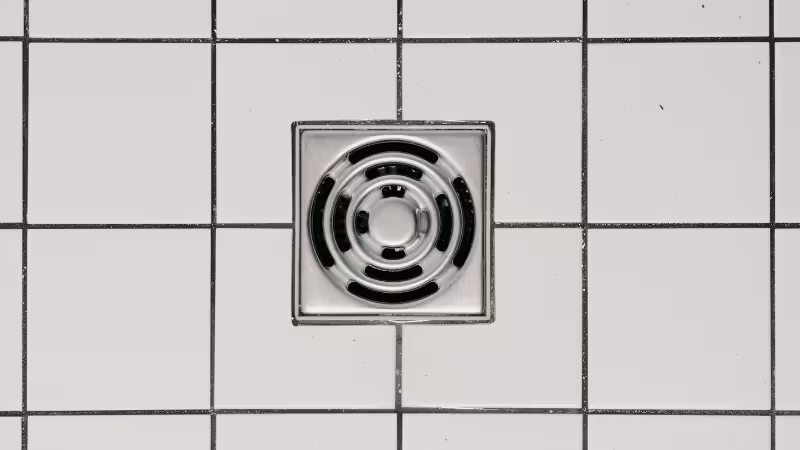
There are few things more frustrating than stepping into the shower and feeling the water creep up around your ankles. You clear out a clump of hair, the water drains for a few days, and then the same slow, murky pool returns. If this sounds familiar, you are not alone. Blocked shower drains are one of the most common plumbing complaints in homes, and they are rarely caused by a single thing.
Understanding why your shower drain keeps clogging is the key to fixing it properly rather than simply treating the symptoms. This guide explains what is really going on beneath the grate, which DIY fixes are safe to try, when it is time to call a professional, and how to prevent the problem from coming back.
Table of Contents
What Actually Happens Inside a Blocked Shower Drain
Every time you shower, the water you use travels through the drain grate, down into the shower waste, around the curved bend of the trap and along a branch pipe before joining your home’s main sewer line. Shower waste pipes are fairly narrow, so it does not take a large obstruction to slow things down.
The trap is where many problems begin. It is designed to hold a small amount of water to stop sewer gases from rising into your bathroom, but its shape also slows the flow. That makes it an ideal resting place for debris. Most shower blockages do not form overnight. They build up in layers over weeks or months, which is why a drain usually starts off slightly sluggish before it eventually stops altogether.
The Most Common Reasons Your Shower Drain Keeps Clogging
Hair: The Number One Culprit
Hair is responsible for more shower blockages than anything else. Most people naturally lose between 50 and 100 strands a day, and a good share of that washes away while you shampoo and rinse. Loose strands cling to the inside of the waste pipe, tangle together and gradually form a net. Long hair makes the problem worse, but short hair builds up too, and a shared family bathroom or a pet that gets washed in the shower speeds everything up considerably.
Soap Scum and Product Residue
On its own, hair might only cause a minor snag. The real trouble starts when it combines with soap scum. Traditional bar soaps contain fats and oils that react with minerals in the water to leave behind a sticky, waxy film. Shampoos, conditioners and shower gels add oils, silicones and thickening agents that do not always rinse away completely. This residue coats the pipe walls like glue, trapping hair and giving other debris something to grip. Busy bathrooms that are used several times a day tend to build up this layer much faster than a guest en-suite.
Hard Water and Limescale
If your home has hard water, you may be dealing with an extra layer of buildup that you cannot see. Hard water carries dissolved calcium and magnesium, and over time these minerals settle out and cling to the inside of your pipes. The result is a chalky scale that slowly narrows the passage, a little like cholesterol in an artery. The rough surface it creates also catches hair and soap far more easily than a smooth pipe would. Hard water is common in many parts of South Africa, particularly in homes that rely on borehole water. White or grey crusting around your drain grate, taps or shower head is a strong clue that limescale is playing a role.
Body Oils, Skin Cells and Everyday Grime
Not everything that goes down the drain is visible. Your shower also washes away dead skin cells, body oils, shaving residue, sand, dust and general dirt. Individually these particles seem harmless, but once they mix with hair and soap scum they add bulk to the blockage. As this organic material sits in the waste, it also begins to break down, which is why a drain often starts to smell before it fully blocks.
Mould, Bacteria and Slime
A damp, dark drain packed with organic matter is the perfect breeding ground for bacteria, mould and mildew. These microbes feed on the gunk in your pipes and form a thick, slimy layer known as biofilm that clings to the pipe walls. The more it grows, the slower your drain becomes and the stronger the musty smell. If you notice an unpleasant odour even after cleaning your bathroom, microbial buildup is a likely cause.
Foreign Objects and Renovation Debris
If something is small enough to slip through the grate, it is small enough to cause a blockage. Bottle caps, razor covers, jewellery, children’s bath toys and even the plastic tabs from toiletries regularly turn up in blocked drains. Once one of these items lodges in the trap, it acts like a dam, catching hair and soap until water can barely pass. Bathroom renovations can also leave grout, tile fragments, silicone or plaster in the waste pipe, so if your blockages started after a recent upgrade, construction debris is worth considering.
Hidden Problems in the Pipework
Sometimes the cause of a recurring clog has nothing to do with what you put down the drain. If you keep your drain clean and it still blocks regularly, the pipework itself may be the problem.
Poor Installation and Insufficient Fall
Drain pipes need to slope at the correct gradient, known as the fall, so that water carries waste away efficiently. If a shower waste was installed with too little fall, water moves too slowly to flush debris along, and solids settle and accumulate. Pipes that are too narrow for the fixture or poorly joined can cause similar issues. These faults are especially common in older homes and in DIY bathroom installations, and they usually need a professional inspection to confirm.
Ageing and Corroded Pipes
Older homes may still have galvanised steel or cast-iron drainage. As these materials age, their inner surfaces rust, flake and corrode, leaving a rough, jagged interior where clogs form quickly. Even after you clear a blockage, the damaged surface will keep catching debris until the affected section is repaired or replaced.
Tree Roots and Main Sewer Line Blockages
Tree roots are drawn to the moisture and nutrients inside sewer pipes, and they can work their way through tiny cracks or loose joints, particularly in older clay or concrete lines. Once inside, they grow into a dense, fibrous mass that restricts or completely blocks the flow of wastewater. When the main line is blocked, water looks for the lowest exit point in your home, and that is often the shower. A backed-up shower can therefore be the first warning sign of a much bigger problem further down the system.
Shower Clog or Main Line Problem? How to Tell the Difference
Knowing where the blockage is will save you time, money and a lot of wasted effort. A localised shower clog usually affects only the shower. Water pools in the shower tray, but your basin, toilet and kitchen sink drain normally. These blockages are generally caused by hair, soap scum or small objects and can often be cleared with basic tools.
A main line blockage behaves differently. Several fixtures may drain slowly or back up at the same time, the toilet might gurgle or bubble when the shower is running, and you may notice sewage smells in more than one room. These signs point to an obstruction deeper in the system, often caused by tree roots, a collapsed pipe or a heavy buildup of grease and debris. This is not a DIY job and needs professional attention quickly.
Safe DIY Fixes for a Blocked Shower Drain
If the problem appears to be limited to your shower, there are several safe methods you can try before calling in help. Wear rubber gloves, and work through these steps starting with the gentlest option.
Start by Removing Hair and Debris by Hand
Lift or unscrew the drain cover and remove any visible hair and gunk. A plastic drain-cleaning strip with barbed edges, a pair of long-nose pliers or a straightened wire coat hanger with a small hook at the end all work well. Feed the tool into the drain, twist it gently and pull upwards. You will often remove the main clog straight away. Finish by rinsing the drain with hot tap water.
Try a Bicarbonate of Soda and Vinegar Flush
For light soap buildup and odours, pour half a cup of bicarbonate of soda into the drain, followed by half a cup of white vinegar. Cover the drain and let the fizzing reaction work for about 15 minutes, then flush thoroughly with hot water. This method is gentle on all pipe types and makes a good monthly maintenance routine. Keep your expectations realistic, though. It can loosen residue and freshen the drain, but it will not dissolve a solid hair clog.
Use Hot Water With Care
Hot water helps soften soap scum and grease, but boiling water should only be used if you are certain your drain pipes are metal. Most modern South African homes have PVC waste pipes, and extreme heat can soften PVC and weaken the joints, leading to leaks. If you are unsure what your pipes are made of, stick to the hottest water your geyser supplies.
Plunge the Drain Properly
A cup plunger, the flat-bottomed type used for sinks, is the right tool for a shower. Remove the drain cover, make sure there is enough water in the tray to cover the rubber cup, and block any nearby overflow with a wet cloth to maintain pressure. Seal the plunger firmly over the drain and plunge vigorously 15 to 20 times. If the water starts to drain, you have likely dislodged the blockage.
Reach Deeper With a Hand Snake
When the clog sits deeper in the trap or branch pipe, a manual drain snake or hand auger can reach it. Feed the cable into the drain until you feel resistance, rotate the handle to hook or break up the blockage, then slowly pull the cable back out. Work gently, as forcing a snake can damage older pipes. If you are not comfortable using one, this is a sensible point to call a plumber.
Why You Should Avoid Chemical Drain Cleaners
Supermarket drain cleaners promise fast results, but they come with real risks. Many contain caustic chemicals that generate intense heat inside the pipe, which can warp plastic pipes, corrode older metal ones and damage the seals beneath your shower tray. They can also burn your skin and eyes, and their fumes are harmful to breathe in. Never mix different cleaners, as some combinations release toxic gases. If a chemical product fails to clear the blockage, you are left with a pool of hazardous water that makes further work dangerous. If you want a gentler option for routine maintenance, an enzyme-based cleaner is a far safer choice.
Don’t Let Standing Water Sit for Too Long
It is easy to assume that water pooling in a shower tray is harmless because the tray is waterproof. A prolonged backup, however, puts pressure on the drain seal, the flange around the waste and nearby grout lines. If any of these were poorly sealed during installation or have loosened over time, water can seep behind the walls or under the floor. The result can be hidden mould, rotting subfloors and costly water damage that only becomes obvious long after the blockage has been cleared.
When to Call a Professional Plumber
DIY methods work well for simple hair clogs, but some blockages are beyond the reach of household tools. Knowing when to stop and call a professional prevents a small issue from becoming a plumbing emergency.
The Blockage Keeps Coming Back
If your drain clears for a few days and then blocks again, you are only treating the symptom. Recurring clogs usually point to scale narrowing the pipe, a structural fault that traps debris in the same spot, or a partial blockage further down the line. Likewise, if water still drains slowly after you have cleared the obvious clog, there is probably something deeper that needs investigating.
Foul Smells or Black Sludge
A persistent musty, rotten or sewage-like smell is not normal. It can indicate decaying debris, heavy bacterial growth, a dry or damaged trap, or sewer gas escaping because of a blockage. Black sludge or sewage rising into your shower tray is a health hazard and needs immediate attention.
Several Drains Are Slow at Once
When your shower, basin and toilet all drain slowly or back up together, the problem is almost certainly in the main sewer line. As a rule, the pipes within your property boundary are the homeowner’s responsibility, so it pays to have the line checked before an overflow causes damage.
How Professionals Find and Fix the Problem
A professional drainage team does not have to guess what is causing the blockage. A CCTV drain inspection sends a waterproof camera through the pipes so the plumber can see exactly what is there, whether that is a hair mass, limescale, tree roots, a collapsed section or an installation fault. Once the cause is confirmed, high-pressure water jetting can scour away scale, grease and roots, restoring the pipe close to its original diameter. Damaged sections can then be repaired, replaced or relined, which fixes the root cause rather than simply clearing the latest clog.
How to Stop Your Shower Drain Clogging Again
Prevention is cheaper, easier and far less unpleasant than pulling a handful of hair out of a blocked drain. A few simple habits make a big difference.
Catch Hair Before It Enters the Pipe
A good-quality hair catcher or drain strainer is your first line of defence. Silicone and stainless-steel mesh designs sit over or inside the drain and trap loose hair before it reaches the pipe. Empty it after every shower or two so it does not become a blockage of its own. Brushing your hair before you shower also reduces the amount that ends up in the drain.
Rethink Your Soap
Switching from bar soap to a liquid body wash or shower gel reduces the amount of sticky soap scum forming inside your pipes. Using conditioners and oil-based products sparingly helps too, especially in a busy family bathroom.
Make Drain Cleaning Part of Your Routine
Remove the drain cover every few weeks to clear any hair and residue that has built up underneath. Once a week, run the shower on its hottest setting for a few minutes to flush away fresh soap residue before it hardens, and use a bicarbonate of soda and vinegar flush once a month to keep odours at bay.
Tackle Hard Water at the Source
If limescale is a recurring issue in your home, consider having your water tested. A water softener or filtration system can reduce the mineral content of your water, protecting not only your drains but also your geyser, taps and shower heads.
Book Regular Professional Maintenance
Just like your car, your drains benefit from a regular service. An annual professional drain clean or inspection can pick up hidden buildup, early root intrusion or pipe damage long before it turns into a backed-up shower and an emergency call-out.
Keep Your Shower Flowing Freely
A shower drain that keeps clogging is rarely just bad luck. In most homes, it comes down to a combination of hair, soap residue, hard water and everyday grime, with occasional help from foreign objects, poor installation or problems deeper in the sewer line. Simple habits and safe DIY methods will handle most minor blockages, but recurring clogs, bad smells and multiple slow drains are clear signs that something bigger is going on. When that happens, a professional inspection will find the real cause and fix it properly, so you can get back to enjoying a shower without standing in a puddle.


